Statesman
Independence Era · 1909 – 1987
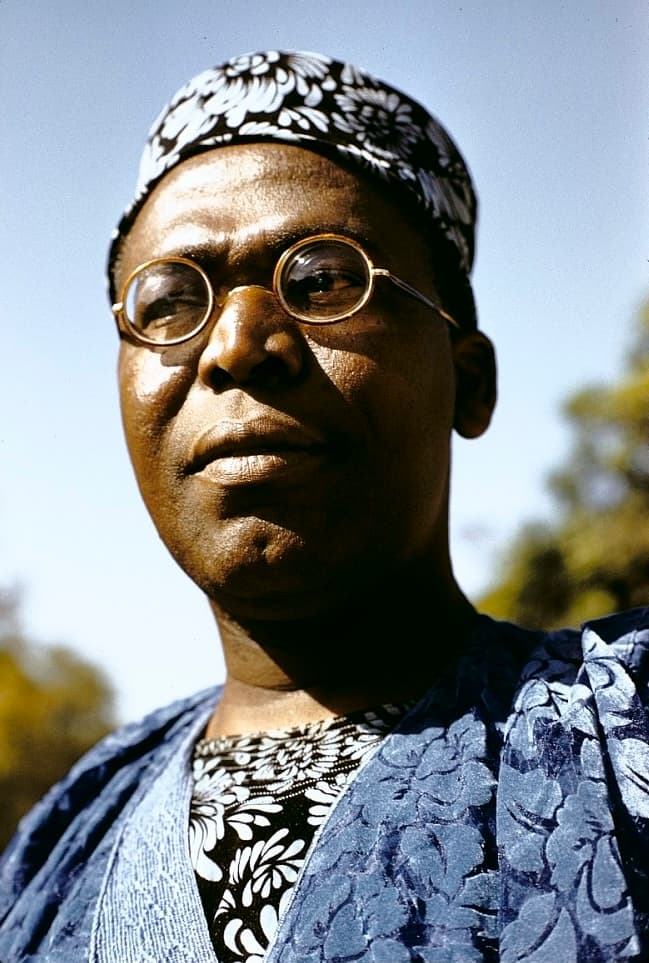
Chief Obafemi Awolowo
Asiwaju Awon Yoruba
Architect of free education in Nigeria and first Premier of the Western Region — the political conscience of a generation.
What We Do
Four pillars driving Yoruba advancement — economic empowerment, education, cultural recognition, and youth development.
Economic Empowerment Project
A cooperative economy initiative designed for ownership and future employment of participants — enabling sons and daughters of the Yoruba race to break free from the prevalent poverty syndrome.
"We as a people can no longer continue to glorify a developed national paralysis that is driven by waiting for the government or someone else to do something for us. The beauty of cooperative economy is that we can simply move our race forward, doing what we know is best for us."
The project's primary objective is to stimulate a positive mindset through training and development of children and create jobs through self-employment, particularly for widows and disabled individuals who have been neglected in society.
Join Karo-OjireMembership Tiers
N5,000
annual contribution
N10,000
annual contribution
N15,000
annual contribution
N20,000
annual contribution
Sources of Finance
Karo-Ojire · In their footsteps
From Awolowo's regional economy to Ojaja II's diaspora investment — Karo-Ojire walks a well-trodden Yoruba road.
Independence Era · 1909 – 1987
Asiwaju Awon Yoruba
Architect of free education in Nigeria and first Premier of the Western Region — the political conscience of a generation.
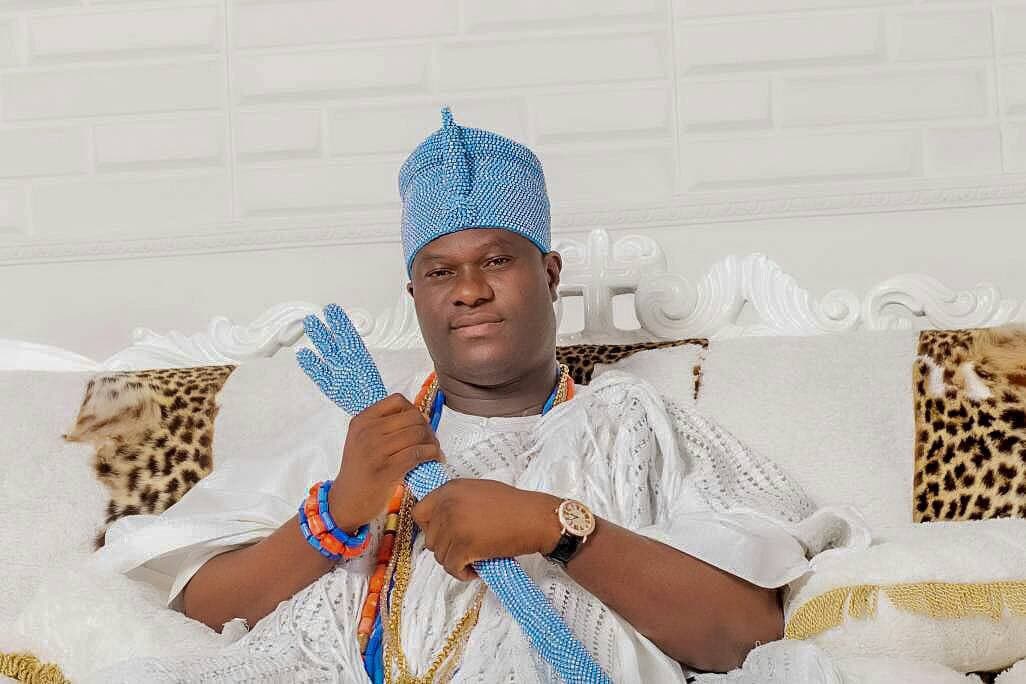
Digital Renaissance · Born 1974
Ooni of Ife
The 51st Ooni — bridging ancient stool and digital era through entrepreneurship, diaspora outreach and youth investment.
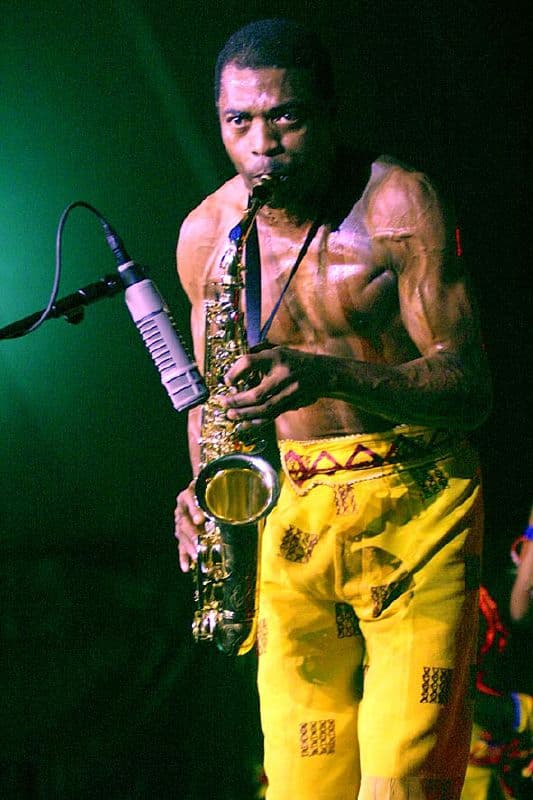
Post-Independence · 1938 – 1997
Abami Eda
Architect of Afrobeat — the saxophonist-prophet whose music turned the Yoruba groove into the global vocabulary of resistance.
Several students who are Yoruba indigenes now stand the chance of winning top-slot scholarships in premium universities both home and abroad — with a registration fee of just N5,000.
Eligibility Criteria
How It Works
Create your applicant profile and pay the N5,000 registration fee.
Complete the multi-step application form including academic history and essays.
The scholarship committee reviews all applications for eligibility and merit.
Selected scholars are notified and scholarships disbursed to their institutions.
Registration Fee
N5,000
One-time, non-refundable application fee
Scholarship · In their footsteps
Free education was a Yoruba export long before it was a global ideal. Our scholars stand on this lineage.
Independence Era · 1909 – 1987
Asiwaju Awon Yoruba
Architect of free education in Nigeria and first Premier of the Western Region — the political conscience of a generation.
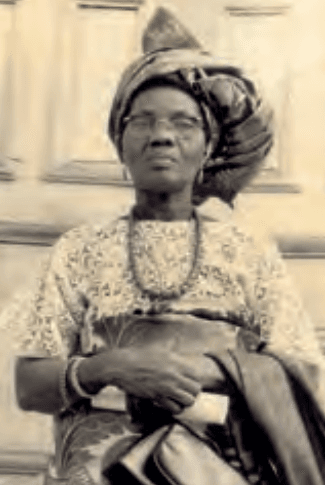
Colonial Resistance · 1900 – 1978
Iyalode of the Yorubas
The Lioness of Lisabi — organizer of the Abeokuta Women's Union and the first Nigerian woman to drive a car.
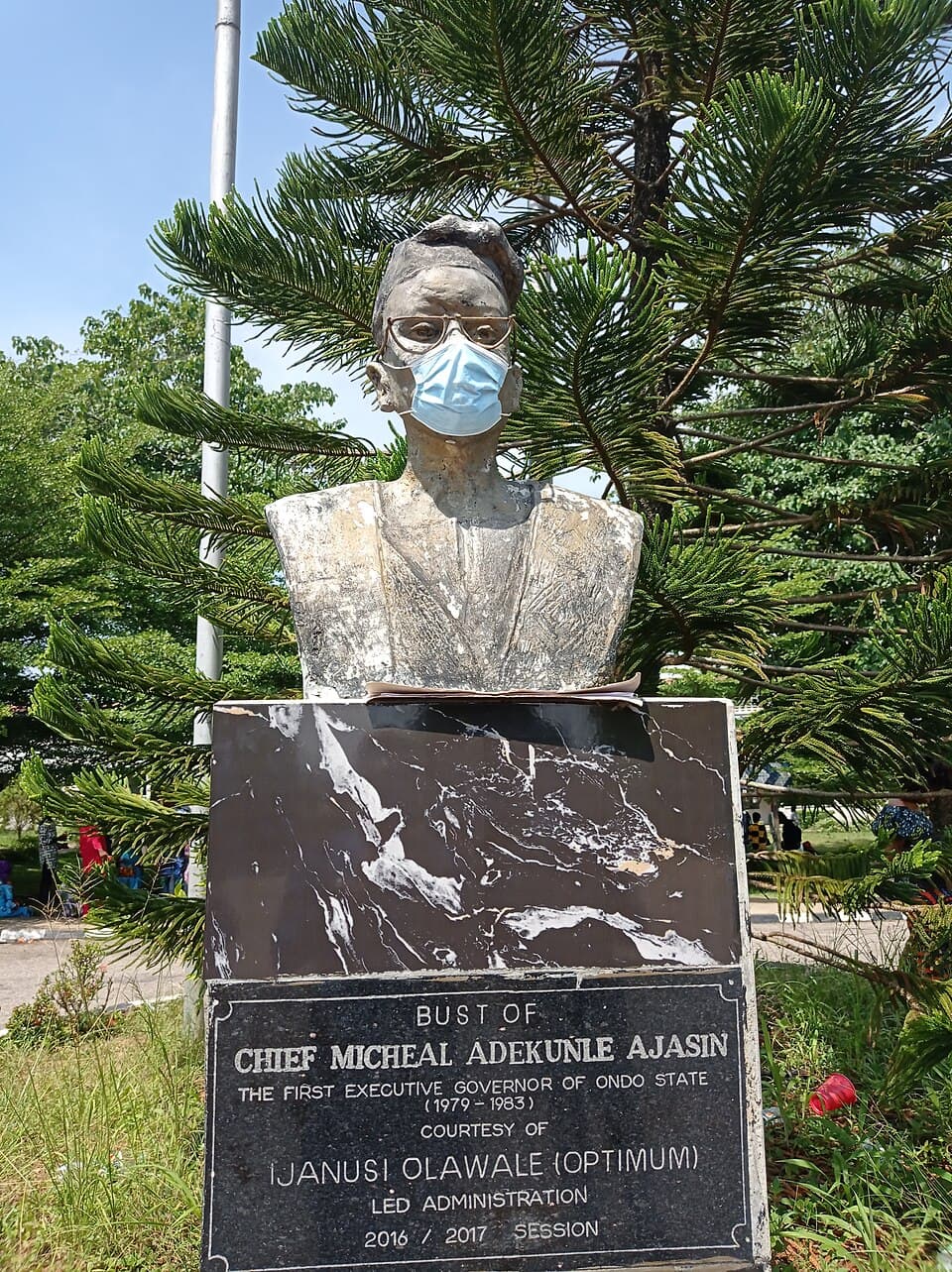
Second Republic · 1908 – 1997
Educator-turned-governor whose name remains shorthand for integrity in Nigerian public life.
Once a year, an illustrious son or daughter of the Yoruba nation is honoured with an award and a staff of distinction in the Order of Odua — celebrating great and selfless Yoruba leaders who fought vigorously for Yoruba emancipation.
The awards program celebrates Yoruba leaders and community members who have made significant contributions to the advancement of the Yoruba people at home and in the diaspora.
View Upcoming EventsThe highest recognition bestowed on exemplary sons and daughters of the Yoruba race.
A symbolic staff presented to recipients representing leadership and cultural heritage.
A grand annual event uniting Yoruba leaders, members, and diaspora from across the world.
Workshops, conferences, and cultural gatherings throughout the year.
Awards · In their footsteps
The Order of Odua continues a tradition of recognition stretching from the palace at Ife to the global stage.
Colonial Resistance · 1900 – 1978
Iyalode of the Yorubas
The Lioness of Lisabi — organizer of the Abeokuta Women's Union and the first Nigerian woman to drive a car.
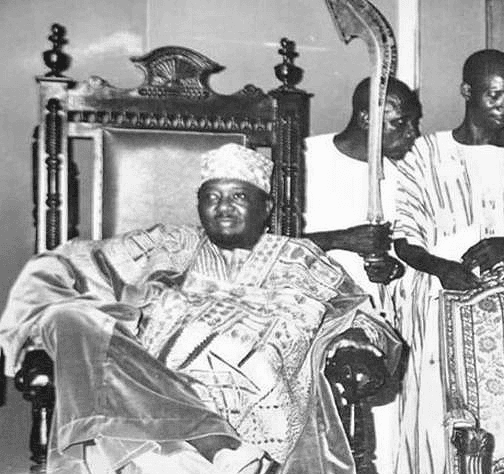
Cultural Revival · 1930 – 2015
Ooni of Ife
The 50th Ooni of Ife — a global ambassador who carried the Yoruba spiritual office onto the world stage.
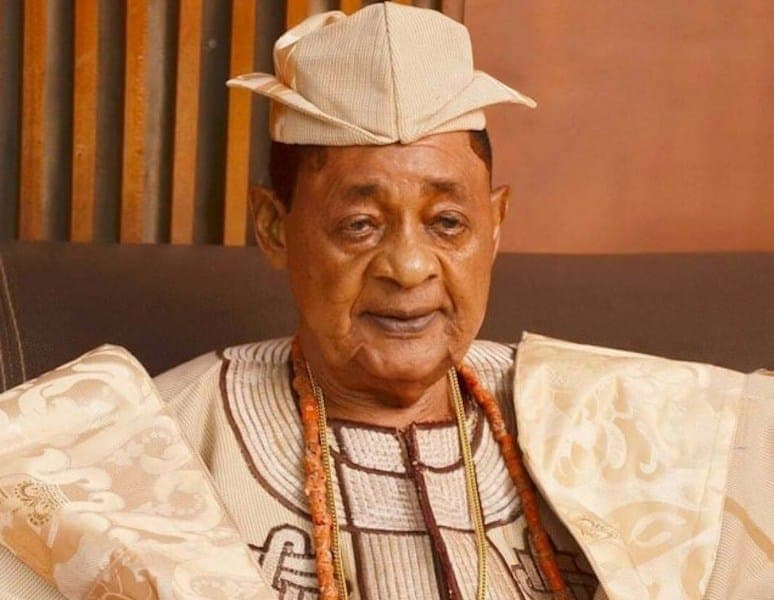
Modern Monarchy · 1938 – 2022
Alaafin of Oyo
The 45th Alaafin — fifty-two years on the throne of Oyo and a relentless voice for Yoruba unity.
Youth development and empowerment initiatives targeting young Yorubas in the diaspora and homeland — building the next generation of Yoruba leaders, innovators, and cultural ambassadors.
Ogundare Adenike
Youth Coordinator
Mr. Oluwatosin Famori
Director IT & Youth Affairs
Program Focus Areas
Leadership Development
Training workshops and mentorship for emerging Yoruba leaders.
Cultural Heritage
Immersive programs teaching Yoruba language, history, and traditions.
Economic Empowerment
Skills training and entrepreneurship support for young members.
Diaspora Connection
Bridging young Yorubas at home and abroad through digital platforms.
Scholarship Pathways
Guiding eligible youth through the YIF scholarship application process.
Youth · In their footsteps
Every Yoruba youth today inherits the courage of activists, the rigor of scholars, and the vision of monarchs.
Modern Monarchy · 1938 – 2022
Alaafin of Oyo
The 45th Alaafin — fifty-two years on the throne of Oyo and a relentless voice for Yoruba unity.
Digital Renaissance · Born 1974
Ooni of Ife
The 51st Ooni — bridging ancient stool and digital era through entrepreneurship, diaspora outreach and youth investment.
Post-Independence · 1938 – 1997
Abami Eda
Architect of Afrobeat — the saxophonist-prophet whose music turned the Yoruba groove into the global vocabulary of resistance.